
Why Your Electric Bill Keeps Climbing: The AI Data Center Connection
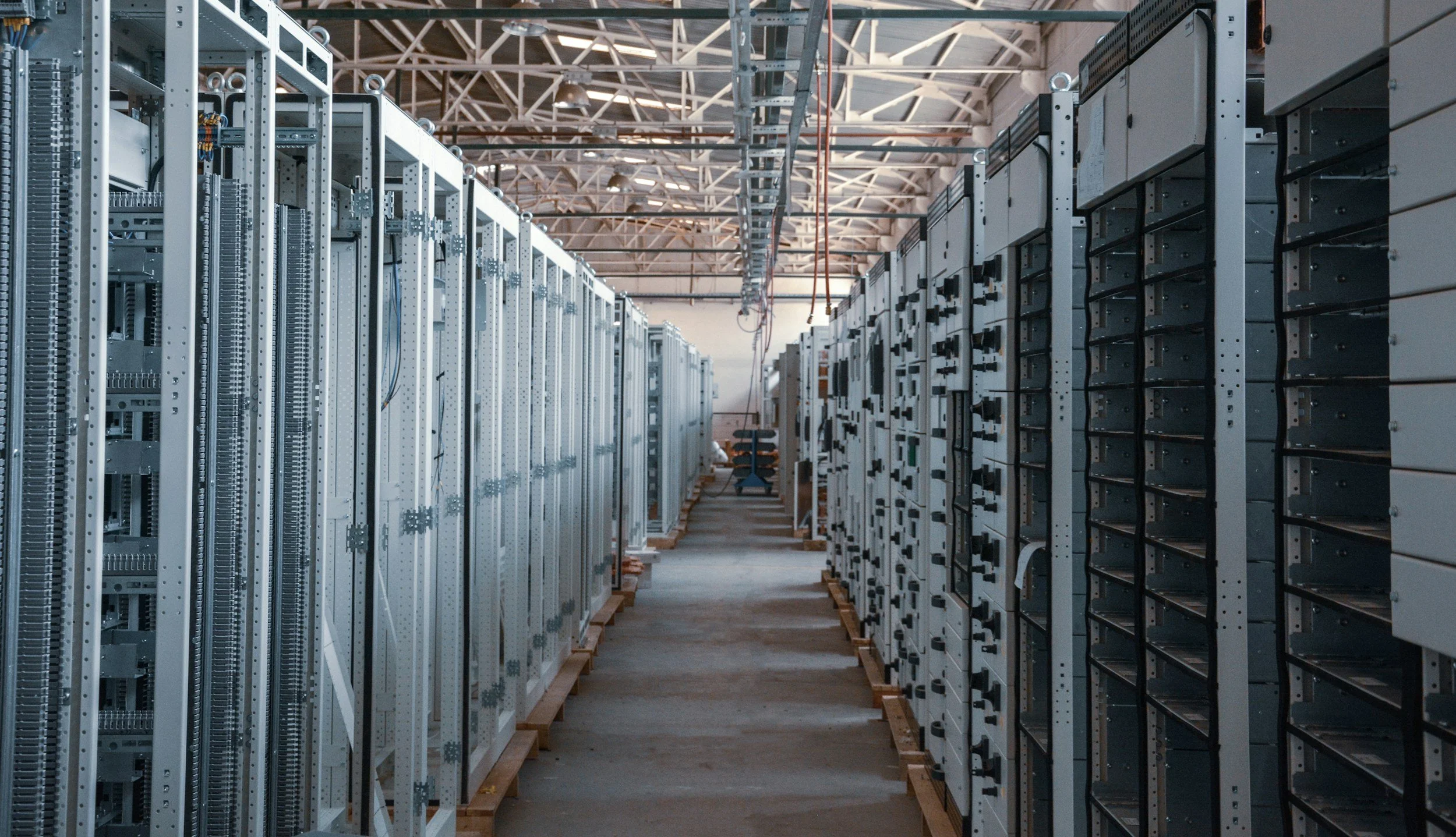
What's happening: Electricity demand in the United States is on pace to hit record highs in both 2026 and 2027, and a major driver behind that surge is the rapid, nationwide buildout of AI data centers. Analysts at Goldman Sachs project that data centers will account for roughly 40 percent of all electricity demand growth, and the price impact is already showing up in utility bills and rate filings across the country.
For business owners watching their own electricity costs climb, this isn't just background economic noise. It's a specific, identifiable trend with real implications for facility budgets, and real steps businesses can take in response.
How Much Are Electricity Rates Actually Rising?
Residential electricity rates rose 7.3 percent nationally between April 2025 and April 2026, according to a Consumer Reports analysis of utility rate filings. Utilities requested $18.6 billion in rate increases in just the first half of 2026 alone. In regions with heavy data center concentration, the increases have been even steeper, with one grid operator's capacity price index rising 833 percent for the 2025-2026 delivery year, a jump analysts attributed largely to data center demand growth.
Commercial rates are following a similar pattern. The U.S. Energy Information Administration has projected that commercial electricity sales will hit record levels as demand continues climbing through 2027, with wholesale prices already up roughly 11 percent.
Why Are AI Data Centers Driving Up Electricity Costs?
A single large AI data center can require upwards of 100 megawatts of power, roughly equivalent to powering 100,000 households. Global data center electricity demand is projected to rise from 132 gigawatts in 2026 to 290 gigawatts by 2030, and AI-optimized servers specifically are expected to overtake conventional servers in power consumption as soon as 2027.
This surge in demand affects electricity pricing in a few specific ways:
Higher wholesale power prices, as data centers compete for limited generation capacity in regional power markets
Billions in new grid infrastructure costs, as utilities build new transmission lines and substations to connect data centers to the grid, costs that are typically passed on to all ratepayers
Strained capacity markets, where data center demand growth has been directly linked to dramatic capacity price increases in some regions
Accelerated demand growth, with data center electricity demand projected to keep rising 15 to 20 percent annually through 2030
Is This Happening Everywhere, or Just in Certain States?
The impact is currently concentrated in states with the heaviest data center buildout, including Virginia, Ohio, Georgia, Maryland, and the District of Columbia. Virginia's "Data Center Alley" cluster around Loudoun County has seen some of the most significant electricity cost increases in the country tied directly to data center demand.
That said, the EIA projects data center electricity demand will continue rising nationally through 2027, and analysts expect more states to see this trend show up in utility rate filings over time, even if they aren't currently a major data center hub.
How Long Is This Expected to Last?
According to Goldman Sachs analysts, there's no relief in sight before the end of the decade. Data center demand is expected to keep growing significantly faster than power supply, which means the current upward pressure on electricity prices is likely to persist rather than resolve on its own in the near term.
What Can Businesses Actually Do About Rising Rates?
Businesses can't control wholesale electricity markets or data center construction, but they can control how much electricity their own facility actually consumes. An LED lighting retrofit is one of the most direct, actionable steps a business can take to reduce exposure to rising rates, since it attacks the one variable businesses can fully control: consumption.
Key ways an LED upgrade helps offset rising electricity costs include:
Significantly lower energy use for the same or better light output compared to older lighting technologies
Reduced cooling demand, since LED fixtures generate far less heat than fluorescent or metal halide lighting
Lower long-term maintenance costs, since LED fixtures last considerably longer than older lighting technologies
Rebate eligibility, since many utility providers continue offering incentives for qualified LED upgrades, helping offset the upfront project cost
As rates climb driven by data center demand, the relative value of each kilowatt-hour saved through an LED upgrade increases as well, meaning the payback period on a retrofit project tends to shrink as rates rise rather than stay fixed.
Frequently Asked Questions
Are AI data centers really the main reason my electric bill is going up? They're one of the most significant drivers of rising wholesale and commercial electricity costs in 2026, particularly in states with heavy data center concentration, but other factors like grid infrastructure investment and inflation also contribute. Analysts widely agree that data center demand is a major and growing factor behind current rate increases.
Will electricity rates go back down once data center construction slows? Analysts don't currently project meaningful relief before the end of the decade, since data center electricity demand is expected to keep growing faster than power supply through at least 2030. Businesses should plan around continued upward pressure on rates rather than expecting a near-term reversal.
How does an LED retrofit help if data centers are the real problem? A retrofit doesn't change what utilities charge per kilowatt-hour, but it directly reduces how many kilowatt-hours your facility needs, which is the one part of this equation your business actually controls. As rates climb, the value of every kilowatt-hour saved increases as well.
Is my business affected even if I'm not located near a major data center? Potentially, yes. While the impact is currently concentrated in states with heavy data center buildout, the EIA projects rising electricity demand nationally through 2027, and analysts expect the effects to broaden to more states over time.
What's the fastest way to find out how much an LED upgrade could save my business? A facility-specific lighting audit is the most accurate way to estimate savings, since it accounts for your current fixtures, energy usage, and operating hours rather than relying on national averages.
See What a Retrofit Could Mean for Your Business
With electricity rates climbing and showing no sign of relief before the end of the decade, an outdated lighting system is costing your business more every year it stays in place. Reach out to our team for a facility lighting audit, and we'll show you exactly how much an LED upgrade could save as rates continue to rise.