
Smart Lighting Controls: Are They Worth Adding to Your LED Upgrade?
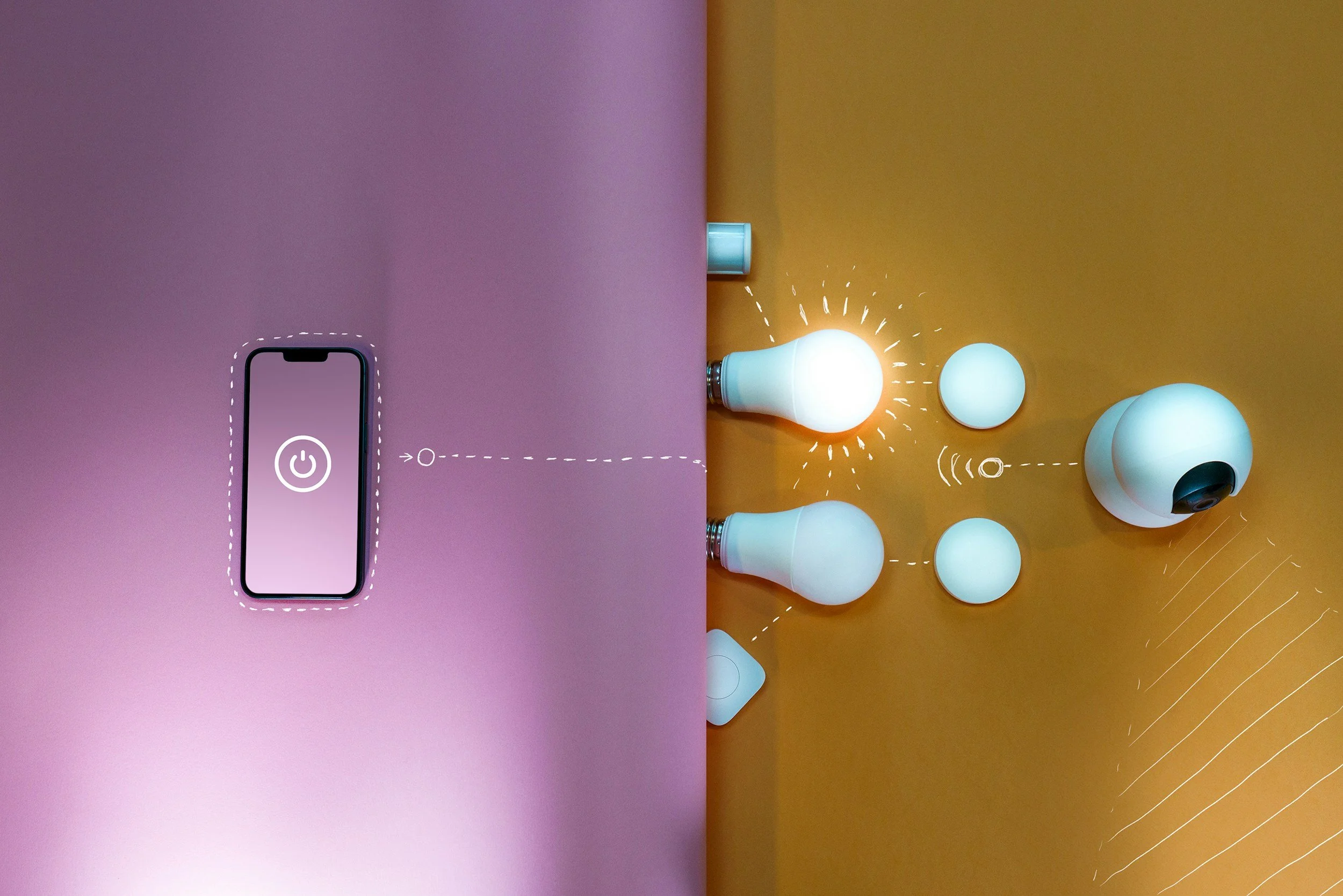
An LED retrofit on its own already delivers significant energy savings compared to older lighting technologies. But for businesses looking to squeeze even more efficiency out of their lighting system, smart lighting controls offer a way to go a step further, adjusting how and when lights operate based on actual usage patterns rather than running at full output around the clock.
If you're planning an LED upgrade, or have already completed one, here's what smart controls actually do, and how to think through whether they're a worthwhile addition for your facility.
What Are Smart Lighting Controls?
Smart lighting controls are systems that automatically adjust lighting based on factors like occupancy, time of day, and available natural light. Rather than lights simply being on or off, these systems introduce a layer of automation designed to minimize energy use whenever full lighting isn't actually needed.
Common types of smart lighting controls include:
Occupancy and vacancy sensors, which turn lights on when a space is in use and off when it's empty
Daylight harvesting sensors, which automatically dim artificial lighting when enough natural light is already available
Scheduling systems, which control lighting based on business hours or specific times of day
Dimming controls, which allow lighting levels to be adjusted for different tasks or times without switching lights fully on or off
Centralized building automation integration, which allows lighting to be managed alongside HVAC and other building systems from a single platform
How Smart Controls Add to LED Energy Savings
LED fixtures alone reduce energy consumption significantly compared to fluorescent or metal halide lighting, but even efficient LED fixtures use energy any time they're switched on, regardless of whether anyone is actually in the space. Smart controls address this gap directly by ensuring lights are only running at full output when they're actually needed.
For example, a warehouse aisle that sees foot traffic only a few times per hour doesn't need to run at full brightness continuously throughout an entire shift. Occupancy sensors can keep that aisle dimmed or off until someone enters, then bring it to full brightness automatically. Similarly, a conference room or private office with inconsistent usage benefits significantly from vacancy sensors that prevent lights from running unnecessarily after someone leaves and forgets to switch them off.
Where Smart Controls Have the Biggest Impact
Not every space benefits equally from smart controls. Areas that tend to see the largest additional savings include:
Restrooms, storage rooms, and low-traffic areas, where lights are frequently left on despite the space seeing only occasional use
Conference rooms and private offices, which often have inconsistent occupancy patterns throughout the day
Warehouse aisles and storage areas, where full-time lighting is rarely necessary across an entire facility at once
Spaces with significant natural light, such as areas near large windows or skylights, where daylight harvesting can meaningfully reduce artificial lighting use during daytime hours
Parking lots and exterior areas, where dimming during low-traffic overnight hours can reduce energy use without compromising safety
Weighing the Additional Investment
Smart lighting controls do add to the upfront cost of a retrofit project, so it's worth understanding how that additional investment compares to the added savings. Generally, spaces with inconsistent occupancy or significant natural light see the fastest payback on smart controls, since the savings compound on top of what the LED fixtures alone already provide. Spaces with consistent, predictable usage throughout the day, on the other hand, may see a smaller marginal benefit from adding controls, since the lights would likely be running steadily regardless.
A facility-specific evaluation is the best way to determine where smart controls make sense and where a standard LED retrofit alone may already capture most of the available savings.
Other Benefits Beyond Energy Savings
Smart lighting controls offer some advantages beyond the energy bill as well. Automated systems reduce the likelihood of lights being left on unnecessarily overnight or over weekends, which extends fixture lifespan in addition to saving energy. Centralized control systems also give facility managers better visibility into how lighting is being used across a building, which can inform future decisions about layout, staffing patterns, or additional efficiency upgrades down the road.
For businesses with sustainability or ESG reporting goals, smart controls also provide more precise data on energy usage, which can support more accurate reporting compared to estimating savings from fixture specifications alone.
Frequently Asked Questions
Do smart lighting controls work with any LED fixtures, or only specific types? Most modern LED fixtures are compatible with smart controls, though it's worth confirming compatibility during the planning phase of your retrofit, especially if you're adding controls to an existing LED system rather than installing both at the same time.
How much additional savings can smart controls provide beyond a standard LED retrofit? This varies significantly by facility and space type, but areas with inconsistent occupancy or strong natural light potential tend to see the most additional savings. A lighting audit that accounts for actual usage patterns is the best way to estimate this for your specific facility.
Are smart lighting controls difficult to retrofit into an existing LED system? In many cases, controls can be added to an existing LED system without a full fixture replacement, though the specifics depend on your current setup. It's best to have a provider evaluate your existing system before assuming controls can or can't be added.
Do smart controls require ongoing maintenance or monitoring? Most systems are designed to run automatically with minimal ongoing maintenance, though periodic checks help ensure sensors are calibrated correctly and continuing to perform as expected over time.
Is it better to install smart controls at the same time as an LED retrofit, or add them later? Installing both at the same time is often more efficient and can reduce overall installation costs, but adding controls later is also a reasonable option for businesses that want to phase their investment over time.
See If Smart Controls Make Sense for Your Facility
Smart lighting controls aren't the right fit for every space, but for many facilities, they offer a meaningful way to extend the savings already gained from an LED upgrade. Reach out to our team for a facility evaluation, and we'll help you determine where smart controls would have the biggest impact, and where a standard LED retrofit already covers most of the available savings.