
Why Recycling Confusion Is Growing in 2026 and What It Means for LED Disposal in Washington
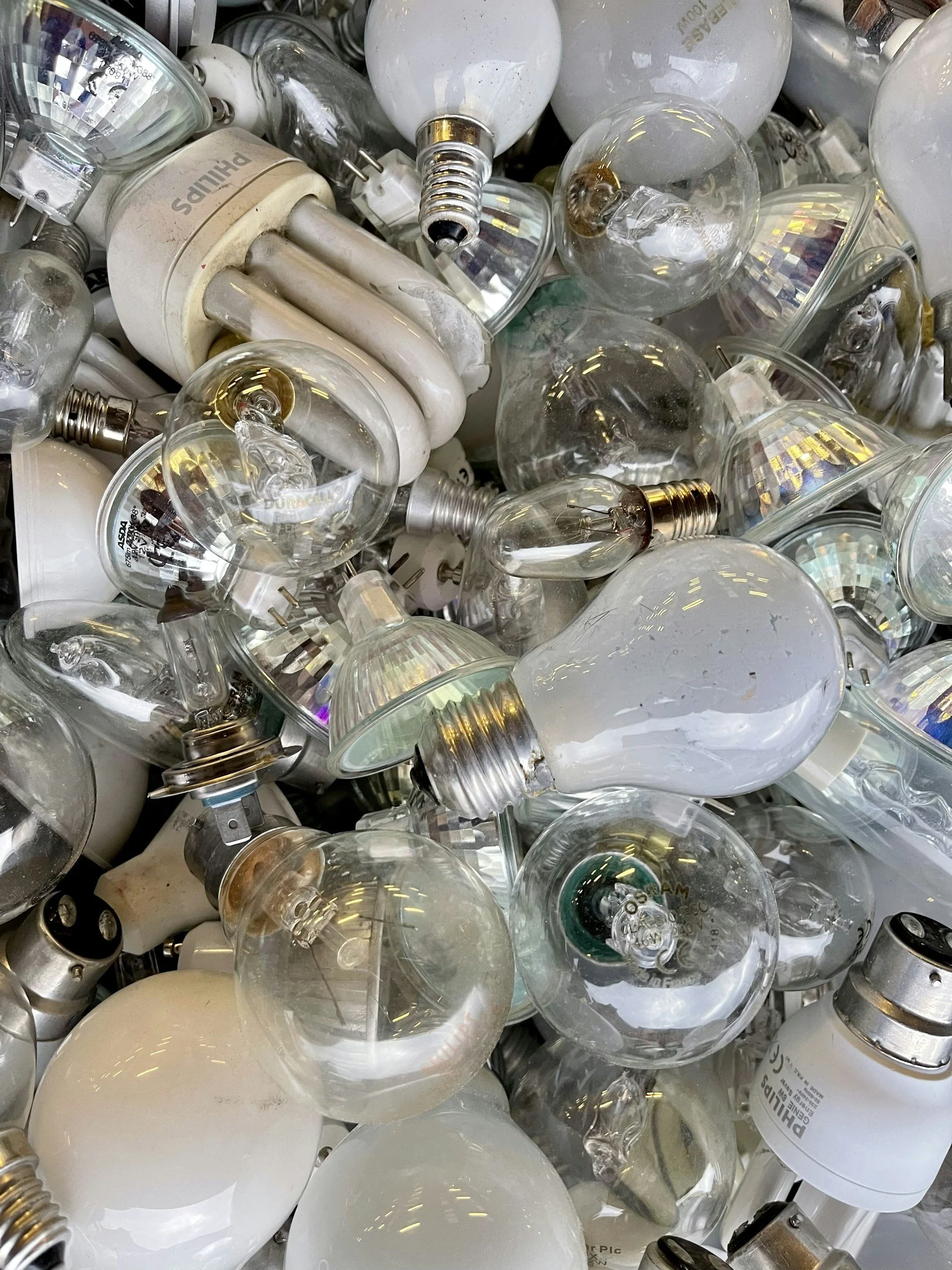
A property manager in Seattle recently oversaw a lighting upgrade across multiple buildings.
At the end of the project, hundreds of LED fixtures were boxed up and ready for disposal. The assumption was simple. If it is recyclable, it can go into the recycling system.
But that assumption is becoming one of the biggest problems in recycling today.
Across the country, confusion around what actually gets recycled is increasing. In some cases, even properly sorted materials have ended up in landfills due to breakdowns in recycling systems.
For businesses in Washington, this creates a new challenge. It is no longer just about recycling. It is about recycling correctly.
Why Recycling Confusion Is Increasing
Recycling systems are changing quickly in 2026.
New policies, shifting markets, and evolving material types are making it harder to determine what belongs in standard recycling streams.
At the same time, states like Washington are pushing forward with new recycling reform efforts and extended producer responsibility programs that place more accountability on how materials are handled.
This combination is leading to one clear outcome. Businesses need to be more intentional about how they manage waste.
Where LED Lighting Fits Into the Problem
LED lights are often misunderstood in the recycling process.
They do not contain mercury like fluorescent lamps, but they still include electronic components that require specialized handling.
Because of this, LED lighting should not be placed in standard recycling bins.
When it is, it can:
• contaminate recycling streams
• be removed and sent to landfill
• reduce recovery of valuable materials
Why Proper LED Recycling Matters More Now
As regulations evolve, expectations are increasing.
Washington continues to push toward waste diversion and circular economy strategies that prioritize proper recycling and material recovery.
For businesses, this means:
• greater responsibility for waste streams
• increased need for documentation
• higher expectations for sustainability practices
How Businesses Should Handle LED Disposal
A structured approach helps eliminate confusion.
Step 1: Separate LED Materials From General Recycling
Do not mix lighting with standard recycling streams.
Step 2: Store Materials Safely
Prevent damage and contamination before pickup.
Step 3: Use a Specialized Recycling Provider
Ensure proper processing of electronic components.
Step 4: Coordinate With Other Waste Streams
Manage lighting alongside electronics when possible.
Coordinating LED Recycling With Electronics Recycling
Lighting upgrades often happen alongside equipment upgrades.
Businesses replacing lighting systems may also be retiring computers, control systems, and other electronics.
Coordinating both services simplifies logistics and ensures consistent handling.
For electronics recycling support, businesses can work with Total Reclaim to manage IT equipment and e waste alongside lighting disposal.
https://totalreclaim.com/electronics-recycling/
The Shift From Recycling to Responsible Recycling
In 2026, the focus is shifting.
It is no longer just about whether something is recyclable. It is about whether it is being recycled correctly.
Businesses that take a more structured approach will be better positioned to:
• meet evolving regulations
• avoid costly mistakes
• improve sustainability outcomes
• maintain operational efficiency
EcoLights supports businesses across Washington with LED recycling solutions designed for today’s more complex recycling environment.