
What Happens to Old Fluorescent Bulbs After a Commercial LED Upgrade?
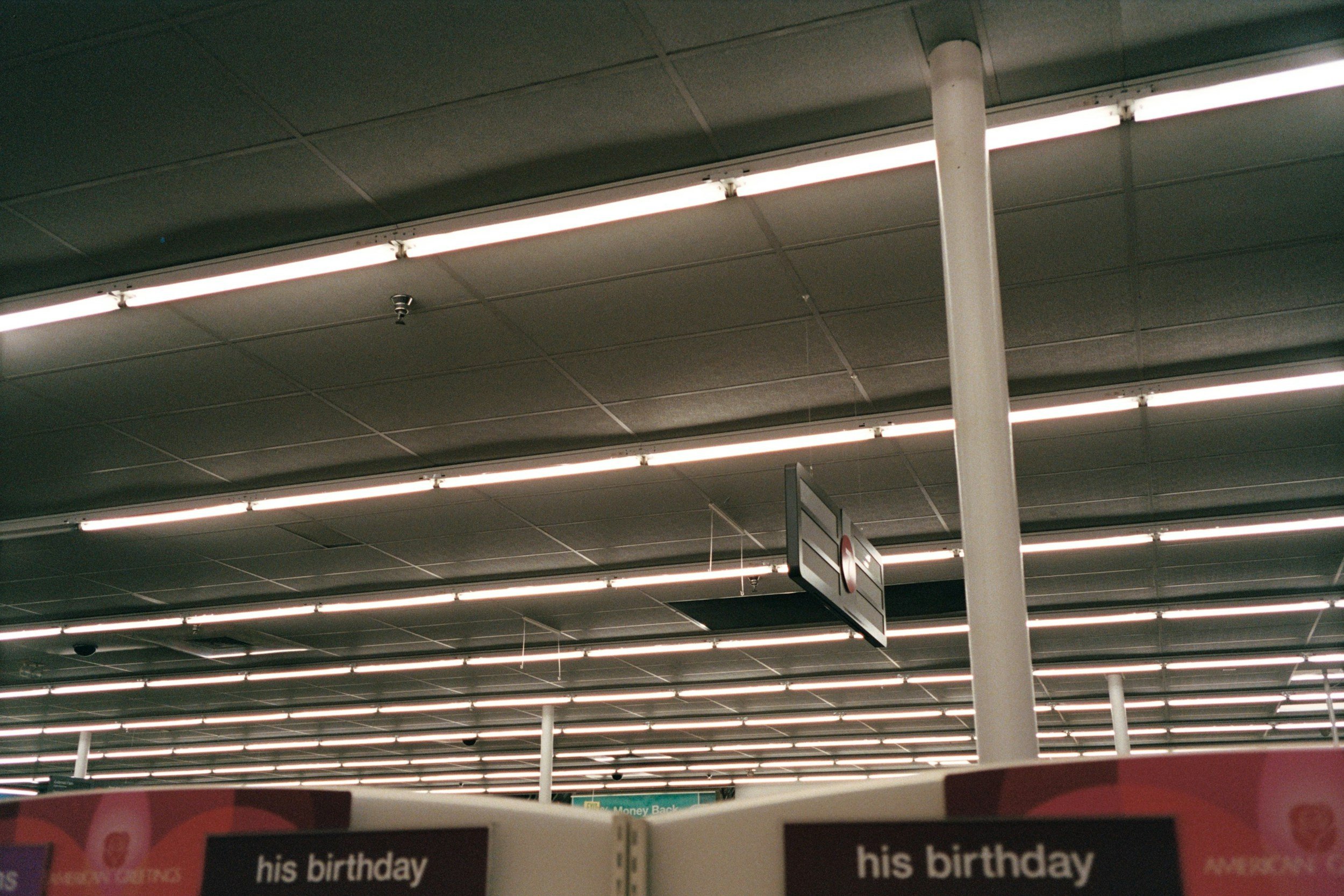
When a business upgrades an office, warehouse, school, retail location, or other commercial property to LED lighting, the benefits are easy to see. Energy consumption can decrease, maintenance becomes easier, and employees and customers may enjoy improved lighting.
But there is another part of a lighting upgrade that deserves just as much attention: what happens to the old fluorescent lamps?
For businesses across Washington, Oregon, and Alaska, responsible fluorescent lamp recycling should be part of the lighting upgrade plan from the beginning.
Commercial LED Upgrades Create a Large Amount of Old Lighting Waste
A commercial lighting retrofit can involve hundreds or even thousands of fluorescent tubes, CFLs, HID lamps, ballasts, and entire lighting fixtures.
Simply replacing the fixtures is only part of the project. The old lighting materials still need to be collected, transported, processed, and recycled properly.
This becomes particularly important because fluorescent lamps contain mercury. When fluorescent lamps are improperly handled or disposed of, mercury can create environmental concerns.
The U.S. Environmental Protection Agency recommends responsible recycling and disposal practices for materials that contain potentially hazardous substances.
That means contractors, electricians, facility managers, and property owners should think about fluorescent bulb recycling before the first fixture comes down.
Why Fluorescent Lamps Should Not Go Into a Dumpster
One of the most common mistakes during a commercial lighting project is treating removed fluorescent lamps like ordinary construction debris.
Fluorescent tubes are different from typical demolition waste because they contain mercury.
Breaking lamps during removal, transportation, or disposal can create unnecessary environmental and workplace concerns. Businesses should instead establish a dedicated collection and recycling process for the lamps removed during the retrofit.
A professional lamp recycling program can help keep fluorescent materials out of ordinary waste streams while creating a documented process for the project.
What Happens to Fluorescent Bulbs When They Are Recycled?
Professional fluorescent lamp recycling involves much more than simply throwing old bulbs into a recycling bin.
The lamps can be processed so that their individual components are separated and recovered.
At EcoLights, specialized equipment separates fluorescent lamps into materials including glass, metal, and mercury-containing phosphor powder. The recovered mercury can be processed for reuse, while other materials are directed into appropriate recycling streams.
This creates a much better outcome than sending old lamps to a landfill.
Instead of treating the old lighting as useless waste, responsible recycling allows materials to be recovered and reused.
Whole Fixture Recycling Can Make Commercial Projects Easier
Another consideration for contractors and facility managers is whether old fixtures need to be completely disassembled before they leave the job site.
For large commercial renovations and lighting retrofits, that can add significant labor to a project.
EcoLights offers whole fixture recycling designed for projects such as lighting retrofits, building demolitions, and commercial renovations. Fixtures can be accepted so the lamps, ballasts, metals, plastics, and other components can be handled through the appropriate recycling streams.
For contractors, this can simplify the process while reducing the amount of time spent manually separating lighting components on site.
What About LED Bulbs?
The transition from fluorescent lighting to LED lighting creates another question:
Do LED lights need to be recycled?
Yes.
LED lamps do not contain mercury like fluorescent lamps, but they contain electronic components and recoverable materials such as circuit boards, semiconductors, aluminum, copper, and plastics.
As more commercial buildings complete LED upgrades, the industry is beginning to face the next generation of lighting waste: end-of-life LEDs.
EcoLights has already addressed LED recycling as an emerging issue for businesses in 2026.
This means businesses planning a lighting upgrade should think beyond the installation itself and establish a long-term plan for both fluorescent and LED lighting disposal.
How Contractors Can Plan for Lighting Recycling
A successful commercial lighting retrofit should include recycling in the project schedule.
Before work begins, contractors and facility managers should:
Estimate the number and type of lamps being removed.
Determine whether whole fixtures will be recycled.
Establish a safe location for collecting removed lamps.
Arrange recycling pickup or delivery.
Protect lamps from unnecessary breakage during handling.
Keep recycling documentation for project records.
Coordinate recycling with the installation schedule.
Planning these steps before demolition begins can make the project significantly easier.
It also prevents a common problem: finishing the installation and then discovering that hundreds of old fluorescent tubes are sitting in a warehouse or loading area with nowhere to go.
Recycling Documentation Matters for Businesses
Environmental responsibility is increasingly becoming part of how businesses evaluate contractors, vendors, and facility operations.
Recycling documentation can help organizations demonstrate that removed lighting was handled through an appropriate recycling process.
This can be particularly valuable for schools, healthcare organizations, government facilities, property managers, large commercial buildings, and companies with sustainability reporting requirements.
EcoLights provides recycling documentation as part of its commercial recycling services, helping businesses maintain records of their recycling activity.
The Best Time to Plan Fluorescent Lamp Recycling Is Before the Retrofit
A commercial LED upgrade should not end with the installation of new fixtures.
The old lighting is part of the project too.
Whether you are replacing fluorescent tubes in an office building, upgrading warehouse lighting, renovating a school, or completing a large commercial construction project, having a fluorescent lamp recycling plan can make the entire process safer, cleaner, and easier to manage.
EcoLights provides commercial lamp recycling services, recycling kits, pickup programs, and solutions for contractors, property managers, schools, government organizations, and businesses throughout Washington, Oregon, and Alaska.
Planning a commercial lighting upgrade? Arrange your fluorescent and LED recycling before the old fixtures come down.