
Lighting Upgrades Create Hidden Waste: What Happens to Old Bulbs and Fixtures?
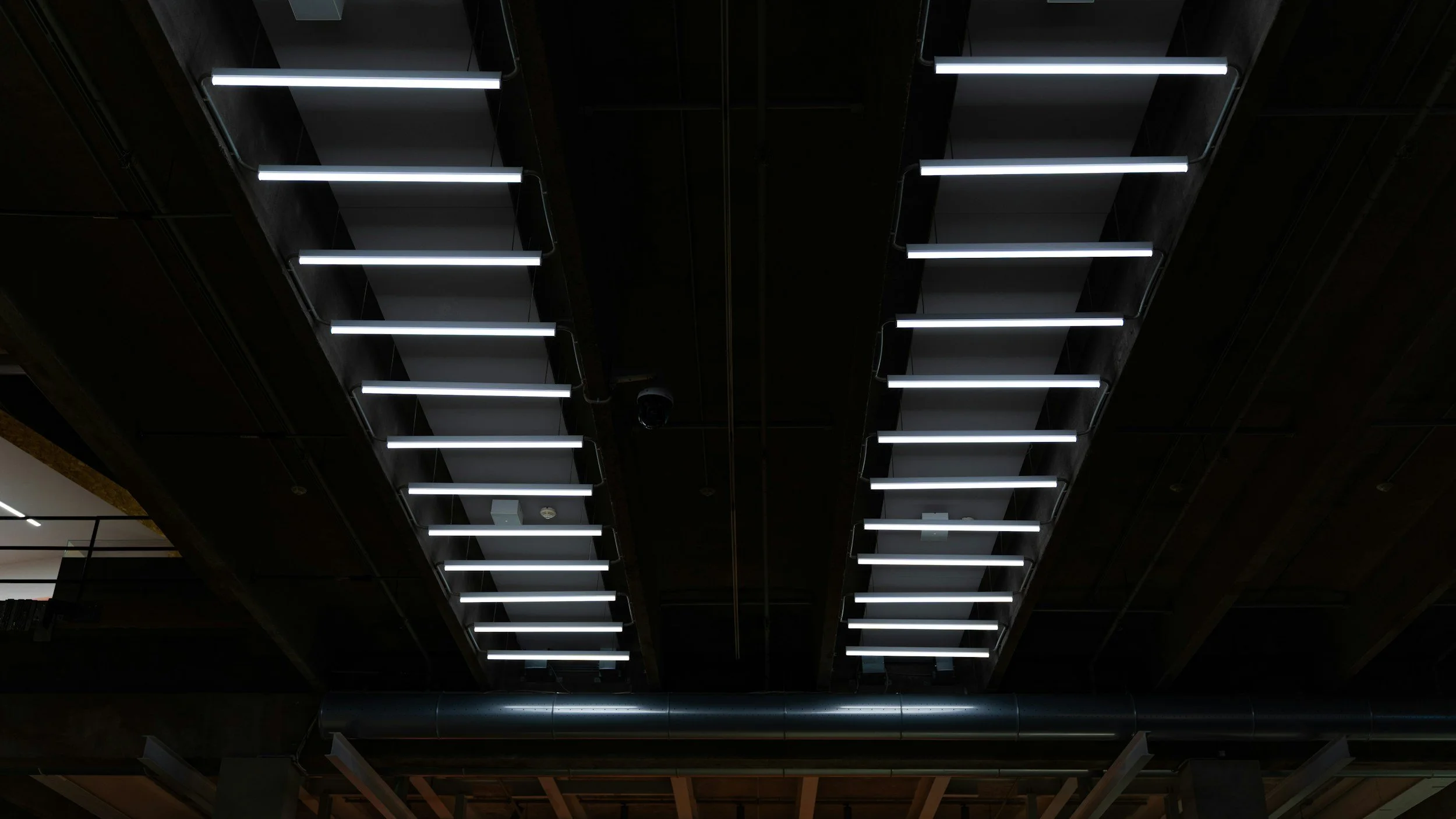
Across commercial buildings, warehouses, schools, and retail spaces, lighting upgrades are happening at a rapid pace. Organizations are replacing outdated fluorescent systems with energy-efficient LED lighting to reduce costs and improve performance.
But there is one question many businesses overlook:
What happens to the old lighting equipment once it is removed?
Behind every successful lighting retrofit is a significant amount of waste that must be handled responsibly.
The Hidden Waste in LED Retrofits
When upgrading to LED systems, facilities often remove:
• Fluorescent tubes
• High intensity discharge (HID) lamps
• Ballasts
• Fixtures and housings
• Wiring and associated components
Large projects can generate pallets of used lamps and equipment in just a few days. Without a recycling plan in place, this material may end up improperly stored or discarded.
Lighting upgrades improve efficiency — but only when disposal is handled correctly.
Why Fluorescent Lamps Require Special Handling
Fluorescent tubes and many HID lamps contain small amounts of mercury. While the amount in each lamp is minimal, improper disposal can allow mercury to enter the environment.
That is why federal and state regulations require fluorescent lamps to be recycled properly.
Simply throwing lamps into the trash can create environmental risk and potential compliance issues.
Professional lamp recycling ensures:
• Mercury is safely recovered
• Glass and metal components are recycled
• Hazardous materials are managed according to regulations
• Documentation is available if needed
What About Ballasts?
Older fluorescent ballasts may contain PCBs (polychlorinated biphenyls), particularly in systems manufactured before 1979.
Even non-PCB ballasts contain electronic components that should not enter standard waste streams.
Proper ballast recycling:
• Separates hazardous components
• Recovers metals
• Reduces landfill impact
• Supports environmental compliance
Contractors and facility managers should always verify that ballasts are processed through a qualified recycling provider.
Fixtures and Metal Components
Lighting retrofits often include removal of entire fixtures. These housings typically contain aluminum, steel, and wiring that can be recycled and returned to the manufacturing stream.
Recycling these materials:
• Reduces demand for virgin raw materials
• Conserves energy
• Supports sustainability initiatives
• Diverts waste from landfills
When handled correctly, the majority of a lighting system can be recovered and repurposed.
Why Lighting Recycling Should Be Planned in Advance
One of the most common issues during retrofit projects is waiting until removal begins to think about disposal.
Without a plan:
• Storage areas become cluttered
• Lamps risk breakage
• Compliance documentation may be missing
• Project timelines may be disrupted
Integrating recycling into the project plan from the beginning ensures smoother execution and environmental responsibility.
Lighting Recycling Services from EcoLights
EcoLights supports contractors, property managers, and businesses with structured lamp and lighting recycling services.
Services include:
• Fluorescent and HID lamp recycling
• Ballast recycling
• Fixture recycling
• Bulk pickup options
• Documentation support
By pairing energy-efficient upgrades with responsible recycling, organizations can maximize both environmental and financial benefits.
Upgrading lighting reduces energy use. Recycling old systems protects the environment.
Both are essential parts of a sustainable facility strategy.
Frequently Asked Questions
Can fluorescent tubes go in the trash?
No. Fluorescent lamps contain mercury and should be recycled through an approved provider.
Do all ballasts contain PCBs?
No, but ballasts manufactured before 1979 may contain PCBs and require special handling.
Should lighting be recycled during LED upgrades?
Yes. Planning recycling during the upgrade process ensures compliance and proper material recovery.