
LED Lighting Upgrades Continue to Deliver One of the Fastest Returns on Investment
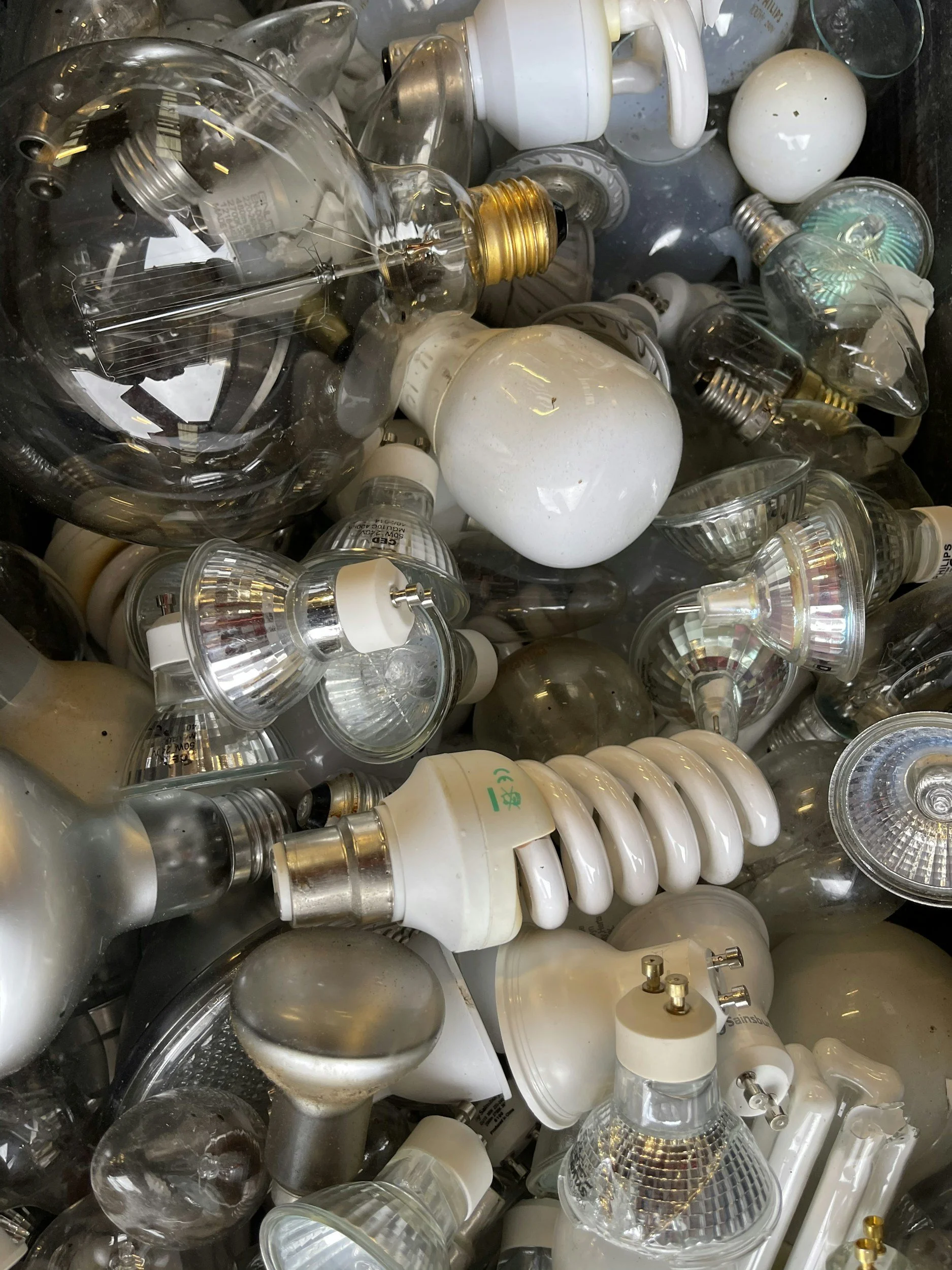
Energy costs continue to impact operating budgets across nearly every industry, and facility managers, business owners, and finance teams alike are looking for reliable ways to cut expenses without cutting corners. Among the many options available, one upgrade consistently stands out for its combination of affordability, speed, and measurable results: switching outdated lighting systems to LED technology.
Unlike many capital improvements that take years to pay off, LED lighting retrofits often deliver a return on investment in a fraction of the time, while also improving safety, comfort, and sustainability across a facility. Here's a closer look at why LED upgrades remain one of the smartest moves a business can make in today's economic environment.
Immediate Energy Savings
LED fixtures typically consume significantly less electricity than fluorescent, metal halide, or high-pressure sodium lighting, all while producing brighter, more consistent illumination. For facilities running lights for extended hours, such as warehouses, manufacturing plants, and retail spaces, that efficiency adds up quickly on monthly utility bills.
Businesses that make the switch often experience a range of measurable benefits, including:
Lower utility bills, often with immediate reductions visible on the very next billing cycle
Reduced maintenance costs, since LED fixtures require far less frequent servicing
Longer fixture life, with many LED products rated for tens of thousands of hours of use
Improved workplace safety through brighter, more even lighting in work areas
Better employee comfort, with reduced flicker and more natural light quality
Lower cooling costs, since LEDs generate far less heat than traditional lighting technologies
These combined savings mean that even a straightforward lighting retrofit can have a noticeable impact on a facility's bottom line within the first year.
Why LED Outperforms Traditional Lighting
Traditional lighting technologies such as fluorescent tubes, metal halide fixtures, and high-pressure sodium lamps were the standard for decades, but they come with real limitations. These older systems tend to lose efficiency over time, require frequent bulb or ballast replacements, and generate significant heat, which can drive up cooling costs in warmer months.
LED technology addresses each of these pain points directly. LEDs maintain consistent brightness over a much longer lifespan, use a fraction of the energy to produce the same or better light output, and run cooler, reducing strain on HVAC systems. For businesses evaluating the true cost of lighting, not just the price of the fixture, but the energy, maintenance, and replacement costs over time, LED consistently comes out ahead.
Additional Financial Benefits
Beyond the direct energy savings, many utility providers continue offering rebates and incentive programs for qualified lighting upgrades, making projects even more affordable upfront. These programs are designed to encourage businesses to reduce demand on the grid, and they can significantly offset the initial cost of a retrofit.
When combined with lower maintenance requirements and extended fixture lifespans, many organizations recover their investment much faster than expected, often well ahead of the timelines typically associated with other facility upgrades. For businesses working with tight capital budgets, this faster payback period makes LED retrofits an easier project to justify and prioritize.
It's also worth noting that financing and performance contracting options are increasingly available for larger lighting projects, allowing businesses to fund upgrades through the energy savings they generate rather than tying up upfront capital.
Sustainability Matters
Reducing energy consumption doesn't just lower costs, it also lowers greenhouse gas emissions, supporting broader ESG and corporate sustainability initiatives. As more businesses face pressure from investors, customers, and regulators to demonstrate measurable environmental progress, lighting upgrades offer a straightforward, easily documented way to show real impact.
Combined with the responsible recycling of old fluorescent lamps, ballasts, and other electronic waste generated during a retrofit, businesses can create a comprehensive environmental strategy that addresses both energy consumption and end-of-life material disposal. Fluorescent lamps in particular contain small amounts of mercury and should always be recycled properly rather than sent to a landfill, making a coordinated lighting and recycling plan an important part of any responsible upgrade project.
Planning a Successful Lighting Retrofit
A successful LED retrofit starts with a thorough facility assessment. Every space has different lighting needs, and factors such as ceiling height, fixture spacing, existing wiring, and how the space is used all influence the right approach. A well-planned retrofit takes these details into account to maximize both energy savings and lighting quality.
Key considerations for a successful project include:
Conducting a lighting audit to identify current usage and potential savings
Selecting fixtures rated for the specific application, whether that's high-bay warehouse lighting, office task lighting, or exterior security lighting
Confirming eligibility for available utility rebates before beginning the project
Coordinating responsible recycling of old fixtures and lamps
Working with an experienced provider who understands both the technical and financial sides of the upgrade
A Smart Investment Across Every Industry
Whether upgrading warehouses, schools, healthcare facilities, manufacturing plants, or office buildings, LED lighting continues to provide measurable operational benefits that go well beyond the electric bill. Improved lighting quality can boost employee productivity and morale, enhance safety in industrial environments, and create a more welcoming atmosphere for customers and visitors.
As energy costs continue to rise and sustainability expectations grow across nearly every sector, LED lighting upgrades remain one of the most reliable, fastest-paying investments a business can make. For organizations looking to reduce costs, improve their facilities, and take a meaningful step toward their sustainability goals, there has rarely been a better time to make the switch. Contact us with questions.