
LED Lighting for Schools and Healthcare Facilities: Why It Matters More in These Environments
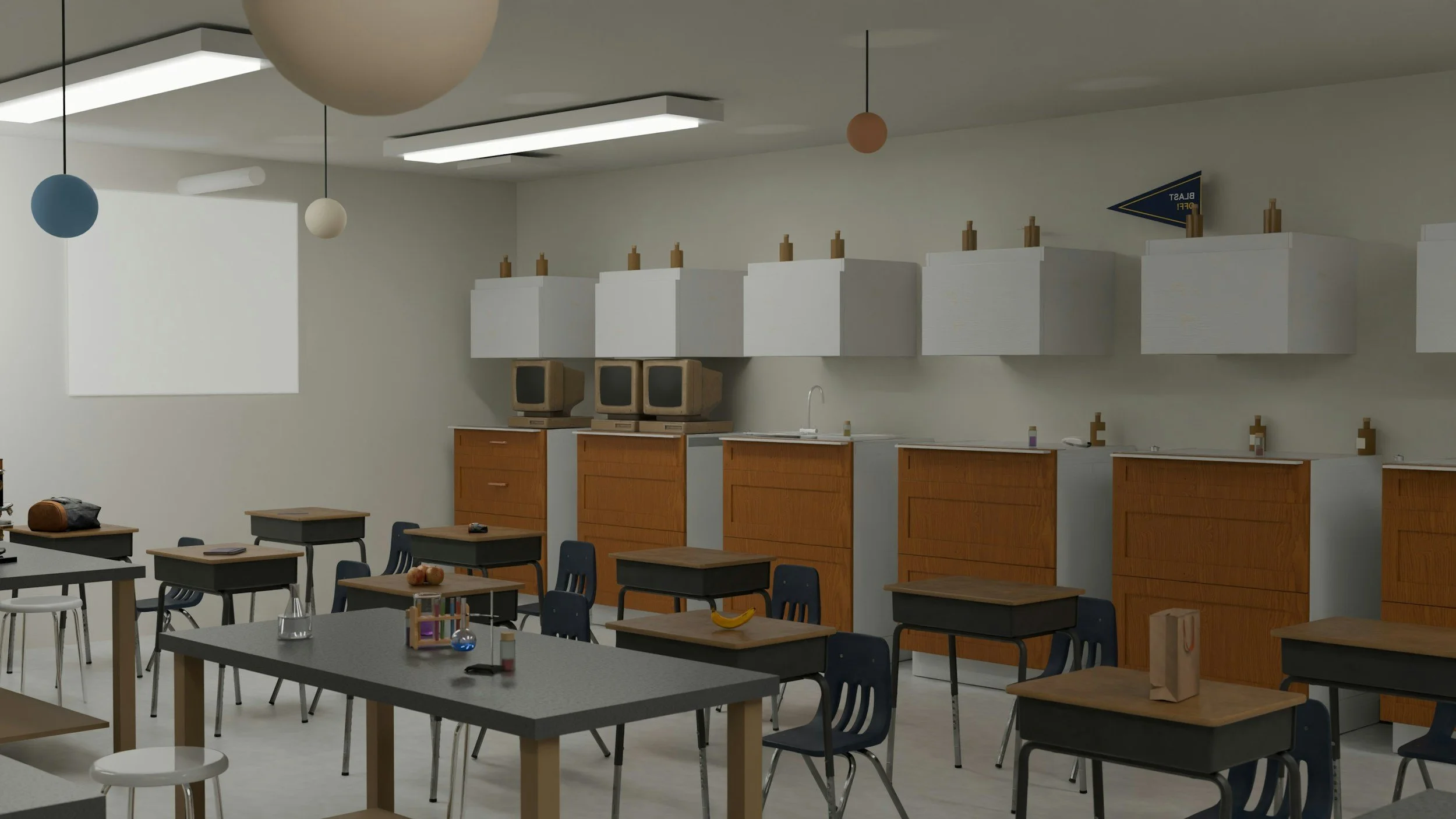
Every facility benefits from an LED lighting upgrade in some form, but schools and healthcare facilities occupy a unique category. These are environments where lighting doesn't just affect an electric bill, it affects the daily experience of students, teachers, patients, and staff who spend extended hours indoors, often in spaces where comfort, safety, and wellbeing are directly tied to the physical environment.
Here's a closer look at why LED lighting upgrades carry added significance in schools and healthcare settings, and what facility managers in these fields should know before starting a project.
The Unique Lighting Demands of Educational Facilities
Schools present a specific set of lighting challenges that differ from a typical office or warehouse environment. Classrooms need consistent, high-quality lighting that supports focus and reduces eye strain during long school days. Gymnasiums and auditoriums require different lighting profiles entirely, often needing brighter, more uniform coverage for assemblies, sports, and performances. Hallways, cafeterias, and administrative areas each come with their own usage patterns and lighting needs.
Older fluorescent lighting common in many school buildings often flickers or hums as ballasts age, a distraction that can genuinely affect student concentration over the course of a school day. LED lighting eliminates this flicker almost entirely while providing more consistent brightness across a classroom, which can support a better learning environment without requiring any change to curriculum or teaching methods.
There's also a budget angle that matters enormously to schools specifically. Educational facilities often operate under tight, publicly funded budgets, and the ongoing savings from an LED retrofit, reduced energy bills and reduced maintenance costs, can free up funds for other priorities across the district. Many utility rebate programs also offer enhanced incentives for schools and public institutions, which can make the upfront cost of a retrofit considerably more manageable.
Why Healthcare Facilities Face Even Higher Stakes
Healthcare facilities operate around the clock, which means lighting systems are running far more hours per year than almost any other commercial environment. That alone makes energy efficiency a significant factor, but healthcare settings have additional considerations that go beyond cost savings.
Patient wellbeing. Research in healthcare design has increasingly pointed to the impact of lighting quality on patient comfort, mood, and even recovery. Harsh, flickering, or inconsistent lighting can add unnecessary stress in an already difficult environment, while well-designed LED lighting can contribute to a calmer, more comfortable setting for patients and their families.
Staff performance and safety. Nurses, doctors, and healthcare staff often work long shifts, sometimes overnight, in environments where precise, reliable lighting is essential for safely performing clinical tasks. Poor lighting in these settings isn't just uncomfortable, it can directly affect the accuracy and safety of patient care.
Heat generation in sensitive areas. Traditional lighting generates significant heat, which can be a real concern in areas like operating rooms, labs, or spaces with sensitive equipment that require precise temperature control. LED fixtures run considerably cooler, reducing strain on HVAC systems and helping maintain more stable conditions in temperature-sensitive areas.
Continuous operation costs. Because healthcare facilities run lighting nearly nonstop, the cumulative energy savings from switching to LED tend to be even more substantial than in a typical office setting that only operates lights during business hours.
Specialized Considerations for These Facility Types
Both schools and healthcare facilities require more careful planning than a standard commercial retrofit, given the sensitivity of the environments involved.
Minimizing disruption during installation. Schools need upgrades scheduled around the academic calendar, often during summer break or extended school holidays, to avoid disrupting classes. Healthcare facilities face an even greater challenge, since many areas simply cannot go offline, requiring phased installation schedules that keep critical spaces fully operational throughout the project.
Meeting specific lighting standards. Certain areas within these facilities, such as operating rooms, laboratories, or specialized classrooms, may have specific lighting requirements related to brightness, color accuracy, or flicker-free operation that go beyond standard commercial lighting specifications.
Emergency and backup lighting considerations. Healthcare facilities in particular need to ensure that any lighting upgrade integrates properly with emergency backup systems, since reliable lighting during a power interruption is a life safety issue in these environments.
Long-term maintenance planning. Both facility types benefit significantly from the reduced maintenance burden of LED lighting, since replacing bulbs and ballasts in high-security or high-sensitivity areas, like patient rooms or secured school spaces, often requires more coordination than in a typical office.
The Financial Case Is Even Stronger in These Sectors
Because schools and healthcare facilities tend to operate lighting for more hours per year and often qualify for enhanced rebate programs specific to educational and healthcare institutions, the return on investment for an LED retrofit is frequently faster in these settings than in standard commercial spaces. Facility managers evaluating a project should specifically ask about rebate programs tailored to their sector, since many utility providers offer distinct incentive tiers for schools, hospitals, and other public-serving institutions.
Planning a Retrofit for Your School or Healthcare Facility
A successful lighting upgrade in these environments starts with a facility-specific audit that accounts for the unique demands of each space, classrooms, patient rooms, operating areas, gymnasiums, hallways, and administrative spaces all have different needs. A knowledgeable lighting provider will work around your operational schedule, understand any specialized lighting requirements for sensitive areas, and help you access any available rebate programs specific to your sector.
If you manage a school district or healthcare facility considering an LED lighting upgrade, reach out to our team. We understand the unique demands of these environments and can help you plan a retrofit that minimizes disruption while maximizing energy savings, comfort, and safety for everyone who spends their day inside your facility.