
Fluorescent Light Recycling Explained: What Businesses Need to Know in 2026
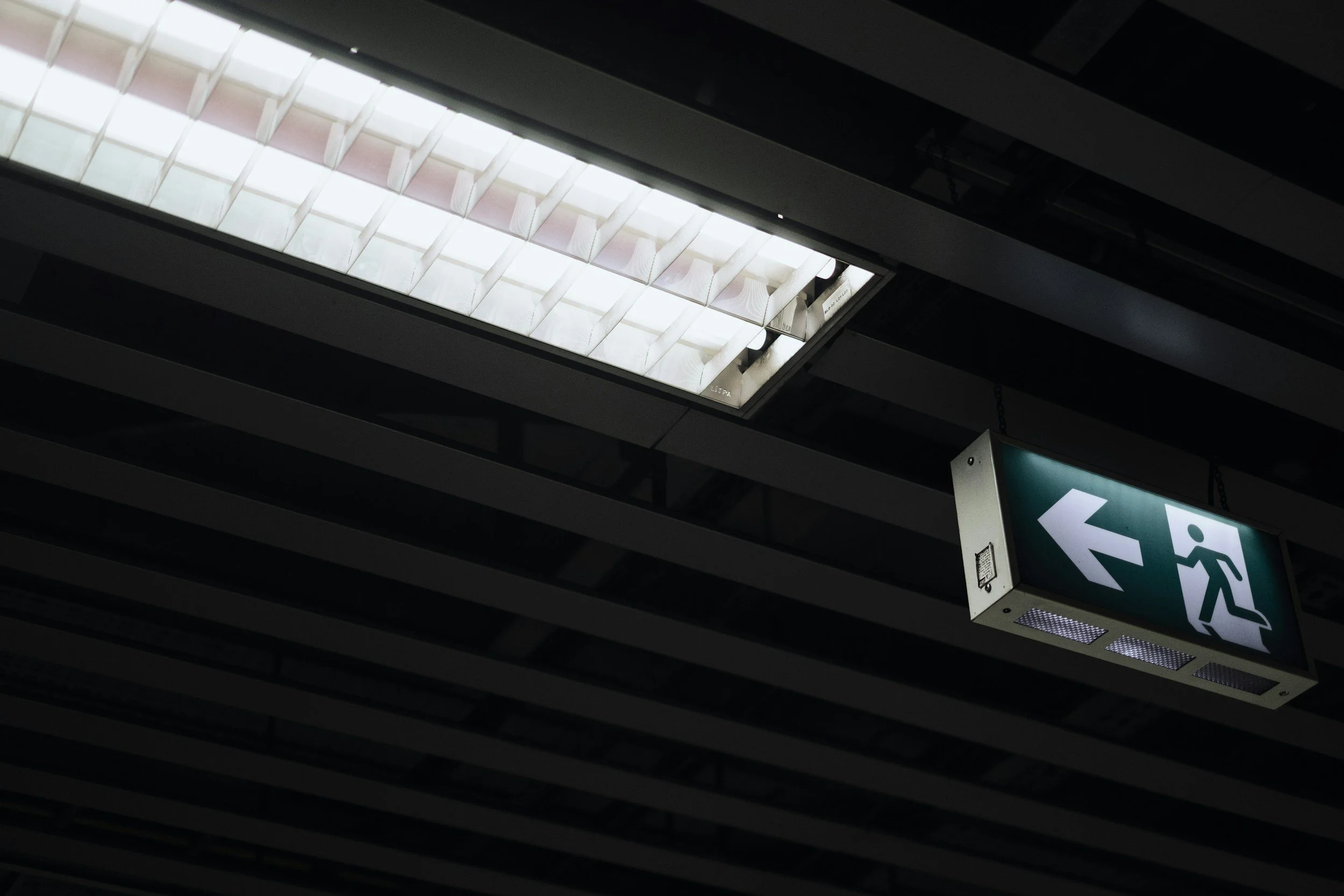
Fluorescent Lights and Ballast
Fluorescent lighting has been used in offices, warehouses, schools, and commercial buildings for decades. While energy efficient, fluorescent lamps contain mercury, which makes them unsuitable for disposal in regular trash.
As facilities continue upgrading to LED lighting, understanding how to recycle fluorescent lights responsibly is essential for environmental protection and regulatory compliance in 2026.
Why Fluorescent Lights Are Regulated Waste
Fluorescent lamps contain small amounts of mercury vapor. If broken or improperly disposed of, mercury can be released into the environment, creating health and environmental risks.
Because of this, fluorescent lamps are classified as regulated waste in many states and should always be recycled through proper channels.
Types of Fluorescent Lights That Must Be Recycled
Linear fluorescent tubes (T12, T8, T5)
Compact fluorescent lamps (CFLs)
U-bend and circular fluorescent bulbs
High-intensity discharge (HID) lamps
Fluorescent ballasts
How Fluorescent Light Recycling Works
Responsible recycling typically includes:
safe collection and packaging
compliant transportation
controlled processing
mercury recovery
recycling of glass and metal components
This process prevents mercury from entering landfills and recovers valuable materials.
Common Disposal Mistakes
throwing bulbs in dumpsters
storing broken lamps without containment
mixing lamps with general waste
failing to document recycling activity
EcoLights Recycling Services
EcoLights offers:
commercial pickup programs
prepaid lamp recycling kits
drop-off options
compliant mercury handling
recycling documentation
FAQ
Can fluorescent bulbs go in the trash?
No. Fluorescent lamps contain mercury and must be recycled.
Do LEDs need to be recycled too?
Yes. LEDs don’t contain mercury, but they should still be recycled responsibly.
Contact Us with any questions you may have!
